

YOUR DOMINANT DOSHA IS
Pitta

Vata
50%

Pitta
50%

Kapha
50%
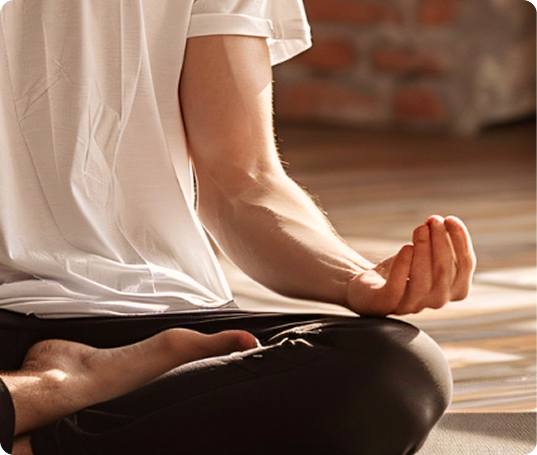
YOUR DOMINANT DOSHA IS
50%
50%
50%
Pitta is formed by the combination of fire and water. Pitta plays a key role in digestion, metabolism, and nutritional absorption. According to Ayurvedic literature, Pitta is the seat of Agni (the digestive fire) and is located in the grahani or small intestine.
Pitta controls hormonal secretions, enzymatic functions, metabolism, skin health, and liver health. Physiologically, Pitta represents intelligence, understanding, emotions, and experiences. It also balances the body temperature.
When Pitta is out of balance, diseases of the skin like acne, pimples, and sensitivities may arise. Imbalances in Pitta create allergies, inflammation, and reduced immunity. In women, this imbalance may create various gynecological issues like heavy menstrual flow, miscarriages, and hormonal upsets. A Pitta person is generally active, a perfectionist, dynamic, intelligent, and also short-tempered. They usually have good leadership qualities, a moderate build, and sensitive skin or eyes. They are generally warm to the touch.
Vata is formed by the combination of air and space. The seat of Vata is below the umbilicus. Vata is the Dosha that controls our mind, creativity, and impulsive responses. It governs all movements, air flow, all muscle and bone functions, and communication throughout the mind and the nervous system.
When Vata is out of balance we may feel the connection with our body and mind is lost, we may experience anxiety, insomnia, constipation, bloating, joint pain, dryness, and pain in the body.
Generally, a Vata person will be very thin, more talkative, and restless. They typically have lower body weight, dry skin, brittle nails, thin hair, and small, slightly sunken eyes. While walking, their joints may make sounds. In terms of climate, they tend to prefer warm or hot weather and they may have trouble tolerating the cold.

It includes a doctor’s consultation, basic health checkups, finding out what is causing the problem, giving the right medicines, and guidance for follow-up care. All of this is done without staying in the hospital. The doctors focus on understanding the main cause of the illness and guide the patient on the next steps for treatment.
Patients who live far from the center can consult doctors online from the comfort of their home. Their medical reports are carefully reviewed, and a personalized Ayurvedic treatment plan is created for them. Doctors also provide diet and lifestyle guidance, recommend medicines, and offer regular follow-up support, all without the need to visit the hospital.
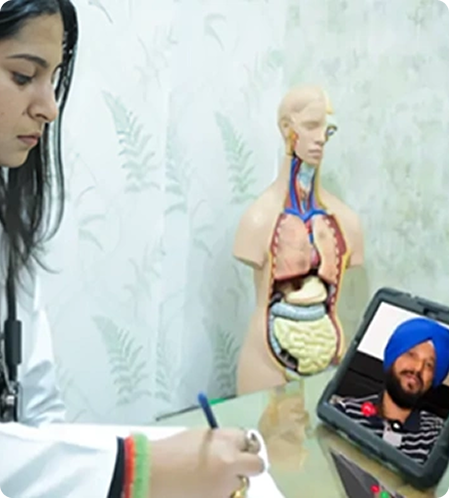

Discover your true Ayurvedic constitution with the wisdom of Acharya Manish Ji. At Jeena Sikho HiiMS, we help you restore Dosha balance through personalised natural healing, empowering your body to achieve lasting health, vitality, and overall well-being.


©Copyrights 2026 Jeena Sikho HiiMS. All Rights Reserved.


