Vata Dosha: The
Energy of Movement

Discover the signs of Vata imbalance and learn how
Ayurveda helps restore harmony naturally.

What is Vata Dosha?

Vata is one of the three fundamental doshas in Ayurveda. It is formed by the combination of the Air and Space elements and is responsible for all movement in the body.

Vata Governs:

  • Breathing and Circulation
  • Movement of Muscles and Joints
  • Elimination of Waste
  • Nervous System Functions
  • Speech and Communication
  • Creativity and Mental Activity

People with a dominant Vata constitution are often energetic, imaginative, quick learners, and naturally enthusiastic.

Signs of a Balanced
Vata Dosha

When Vata is in Harmony:

High Energy
Levels

Mental Clarity
and Alertness

Healthy
Digestion

Sound
Sleep

Flexible Body
and Active Mind

Creativity and
Enthusiasm

Positive Outlook
on Life

What Happens When Vata
Becomes Imbalanced?

When Vata increases beyond its natural limits, it can create instability throughout the body and mind.

Physical Symptoms

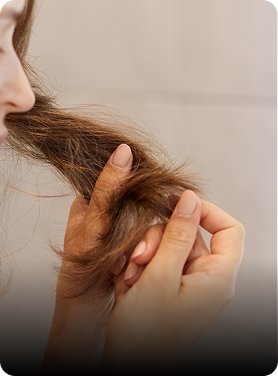
Dry Skin
and Hair

Constipation
and Bloating

Joint
Pain

Cold Hands
and Feet

Fatigue and
Weakness

Irregular
Appetite

Muscle
Stiffness

Mental and Emotional Symptoms

Anxiety and
Nervousness

Overthinking

Restlessness

Difficulty
Concentrating

Mood
Fluctuations

Disturbed
Sleep

Long-Term Effects of Chronic Vata Imbalance

If left unmanaged for a prolonged period, aggravated Vata may contribute to various health concerns.

Common Health Issues Associated with Vata Imbalance

  • Joint Pain and Arthritis
  • Neurological concerns
  • Insomnia
  • Digestive issues
  • Chronic stress
  • Muscle and nerve-related discomfort
  • Age-related weakness

According to Ayurveda, many disorders begin when the natural balance of the doshas is disturbed.

How Ayurveda Helps
Balance Vata

Ayurveda focuses on restoring balance by calming the qualities of excess Vata.

Ayurvedic Approaches for Vata Balance

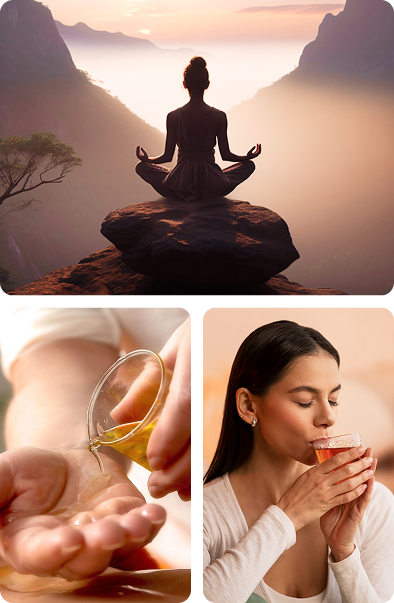
Abhyanga

Personalized Diet

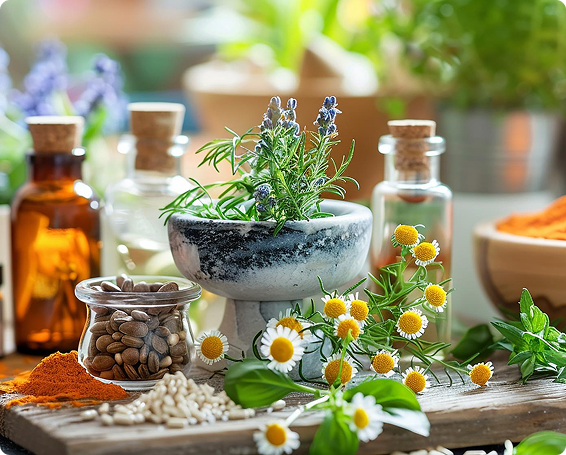
Herbal Support

Daily Routine

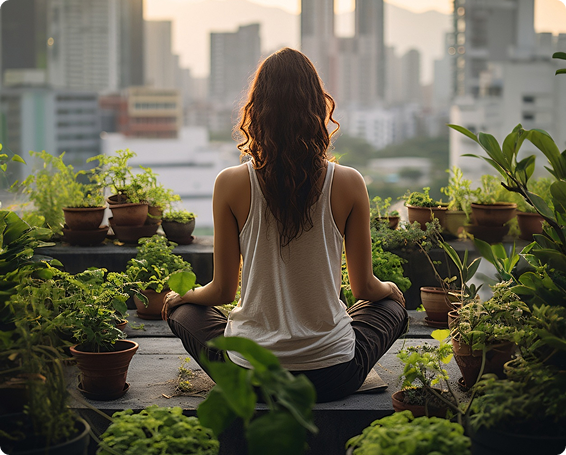
Yoga and Meditation

How Ayurveda Helps
Balance Vata

Ayurveda focuses on restoring balance by calming the qualities of excess Vata.

Ayurvedic Approaches for Vata Balance
abhyanga

Abhyanga

Learn More →
Virechana

Personalized Diet

Learn More →
Basti

Herbal Support

Learn More →
Basti

Daily Routine

Learn More →
Basti

Yoga and Meditation

Learn More →

Foods/Drinks That
Help Balance Vata

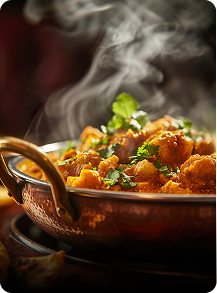
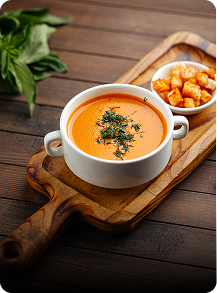
Warm
Cooked Meals

Soups
and Stews

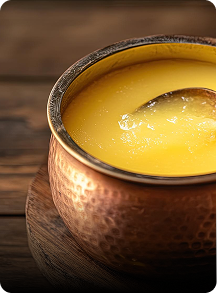
Ghee and
Healthy Oils

Sweet
Fruits

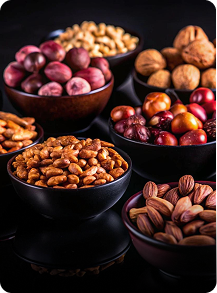
Nuts and
Seeds

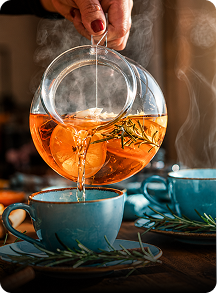
Herbal
Teas

Foods/Drinks That
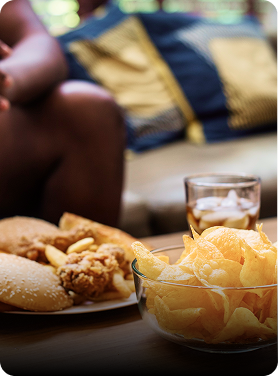
Aggravate Vata

Cold
Foods

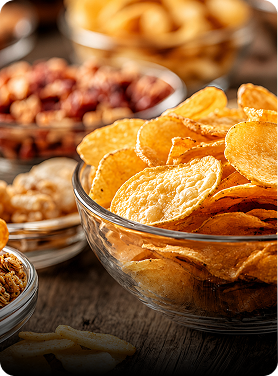
Processed
Foods

Carbonated
Drinks

Caffeinated
Drinks

Skipping
Meals

Alchohol

7 Daily Tips to Keep Vata
Balanced

  • Wake up and sleep at consistent times.
  • Avoid excessive screen time before bed.
  • Eat warm meals at regular intervals.
  • Engage in calming yoga or meditation.
  • Stay hydrated with warm water.
  • Avoid too much cold and wind.
  • Practice self-oil massage regularly.

Are You Experiencing
Signs of Vata Imbalance?

If you frequently experience dryness, bloating, anxiety, disturbed sleep, fatigue, or joint discomfort, your Vata Dosha may require attention. Ayurveda offers a holistic approach that focuses on restoring balance rather than merely addressing symptoms.

Begin Your Journey Towards Balance

Understand your body, identify your dosha, and embrace Ayurvedic
wisdom for lasting wellness.

Scroll to Top