Herbal Support
According to Your
Dosha
Nature’s Herbs, Chosen for Your Constitution
Ayurveda has traditionally used herbs as part of a broader approach to health and well-being. Your Vata, Pitta, or Kapha nature can help guide which herbs and herbal preparations may be more suitable for you. The right choice can also depend on your digestion, age, season, lifestyle, and current health needs.
Explore herbal options according to your Dosha and learn how traditional herbs can become part of a balanced wellness routine.
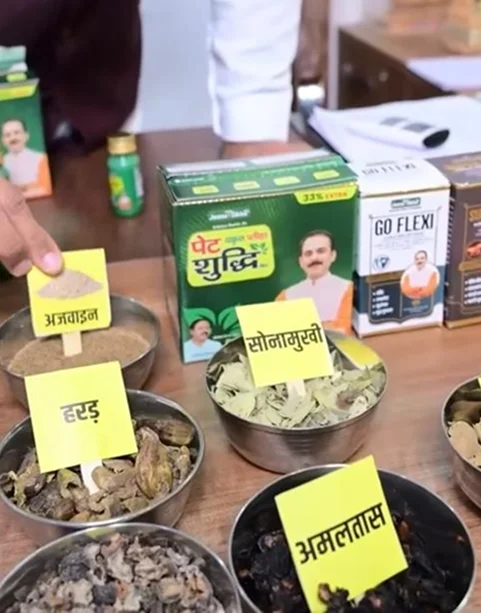
VATA

Calm, Warm & Nourishing Herbal Support
Vata is associated with air and space and is generally linked with movement, dryness, and lightness. When Vata qualities become excessive, people may experience occasional restlessness, dryness, irregular digestion, or difficulty maintaining a steady routine.
For Vata, traditionally used herbs are generally warming, grounding, and soothing.
Herbs Commonly Used for Vata
Ashwagandha

Ashwagandha
Traditionally valued in Ayurveda for its nourishing and strengthening qualities.
Shatavari
Shatavari
Traditionally used as a nourishing herb and commonly included in Ayurvedic wellness routines.
Licorice (Mulethi)
Licorice (Mulethi)
It is known for its naturally soothing qualities and is traditionally used in various Ayurvedic preparations.
Ginger
Ginger
A warming herb traditionally used to support comfortable digestion.
Fennel
Fennel
Often used after meals as a gentle digestive herb.
Cinnamon
Cinnamon
Often used after meals as a gentle digestive herb.
Ajwain
Ajwain
Traditionally used in Ayurveda for digestive comfort.

Vata
Herbal Routine
Warm herbal teas, freshly prepared herbal preparations, and suitable herbs can complement a Vata-friendly lifestyle. The choice and quantity should be based on individual needs.
Vata Herbal Philosophy
“Warm the body. Calm the mind. Nourish from within.”
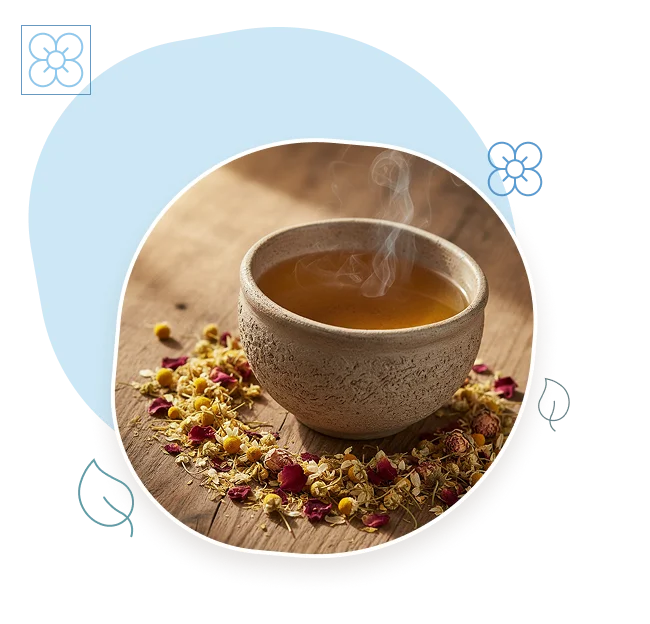
PITTA

Cool, Soothing & Refreshing Herbal Support
Pitta is associated with fire and water and is linked with digestion, metabolism, and heat. When Pitta qualities become excessive, some people may experience a tendency towards feeling overheated, acidity, or sensitivity.
Pitta-friendly herbs are traditionally selected for their cooling, soothing, and calming qualities.
Herbs Commonly Used for Pitta
Amla
Amla
A well-known Ayurvedic fruit traditionally valued for its nourishing and cooling qualities.
Aloe Vera
Aloe Vera
Traditionally used in Ayurveda as a soothing herb, particularly in suitable preparations.
Coriander
Coriander
A refreshing herb commonly used in food and traditional herbal preparations.
Fennel
Fennel
A refreshing herb commonly used in food and traditional herbal preparations.
Licorice (Mulethi)
Licorice (Mulethi)
Traditionally used for its soothing qualities.
Neem
Neem
A traditional Ayurvedic herb known for its bitter nature and commonly used in various herbal preparations.
Mint (Pudina)
Mint (Pudina)
A refreshing herb that can be used in food and herbal drinks.

Pitta
Herbal Routine
Refreshing herbal infusions and suitable cooling herbs can be incorporated into a Pitta-friendly lifestyle. Extremely strong or excessive herbal preparations should be avoided unless recommended by a qualified practitioner.
Pitta Herbal Philosophy
“Cool the excess. Soothe the system. Find your balance.”
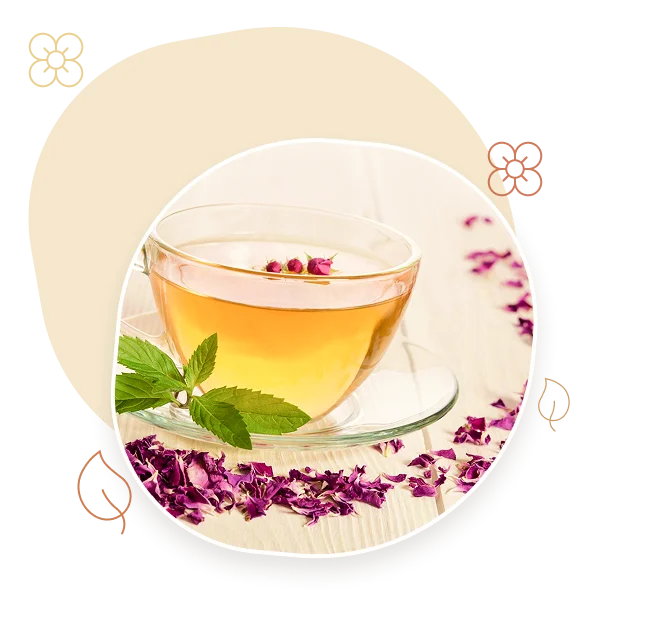
KAPHA

Light, Warm & Energising
Kapha is associated with the elements earth and water. It is linked with stability, strength, and nourishment. When Kapha becomes excessive, some people may feel heavy, sluggish, or less energetic.
For Kapha, meals are generally better when they are light, warm, freshly prepared, and moderately portioned. Variety and mindful eating can also help prevent meals from becoming unnecessarily heavy.
Herbs Commonly Used for Kapha
Trikatu
Trikatu
A traditional Ayurvedic combination containing ginger, black pepper, and long pepper, commonly used in Ayurvedic practice.
Ginger
Ginger
A warming herb traditionally used to support digestion and appetite.
Turmeric
Turmeric
A widely used Ayurvedic spice traditionally valued for its cleansing and balancing properties.
Black Pepper
Black Pepper
Known for its warming nature and is commonly used with food and herbal preparations.
Cinnamon
Cinnamon
A warming spice that can be included in herbal drinks and meals.
Tulsi
Tulsi
Traditionally valued in Ayurveda and commonly used as a herbal tea.
Guggul
Guggul
A traditional Ayurvedic ingredient used in various classical formulations and wellness practices.

Kapha
Herbal Routine
Warming herbal teas and suitable spices can be incorporated into daily meals and wellness routines. Herbal combinations should be selected according to individual needs rather than taken simply because they are considered beneficial for Kapha.
Kapha Herbal Philosophy
“Bring warmth. Reduce heaviness. Keep your energy moving.”
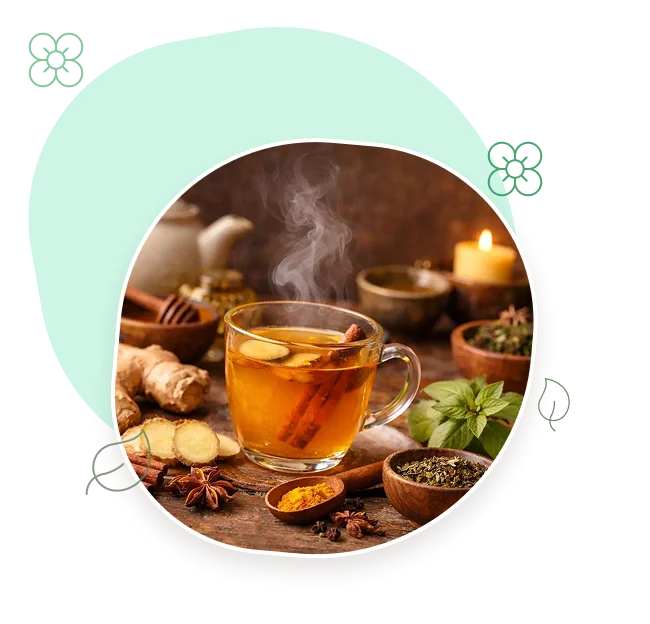
Herbs Work Best
When They Suit You
Ayurveda does not recommend choosing herbs simply because they are popular or natural. The right herb depends on the person.
Your Prakriti, current Dosha balance, digestion, age, season, lifestyle, and existing health conditions can all influence which herbs may be suitable. A herb that feels appropriate for Vata may not be the right choice for Pitta. Similarly, an herb traditionally used for Kapha may not suit someone with a different constitution. That is why personalised guidance matters.

Know Your Dosha

Understand
Your Constitution

Choose
Suitable Herbs

Build Better Balanced
Wellness Routine

Disclaimer: Herbs can have active effects and are not automatically safe simply because they are natural. Pregnant or
breastfeeding women, children, older adults, and people with medical conditions or those taking medicines should consult a
qualified healthcare professional or Ayurvedic practitioner before using herbal supplements or concentrated preparations.

Discover your true Ayurvedic constitution with the wisdom of Acharya Manish Ji. At Jeena Sikho HiiMS, we help you restore Dosha balance through personalised natural healing, empowering your body to achieve lasting health, vitality, and overall well-being.


Company
©Copyrights 2026 Jeena Sikho HiiMS. All Rights Reserved.


