Detoxification and Liver Support
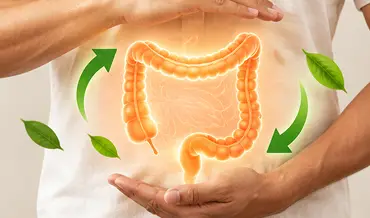
Helps cleanse the digestive tract and liver by removing accumulated toxins and excess bile.
Virechana is Ayurveda's signature detoxification process among the five core
therapeutic measures of Panchakarma.
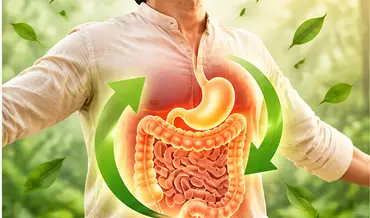
Virechana helps the body release this excess heat through a carefully guided cleansing process.
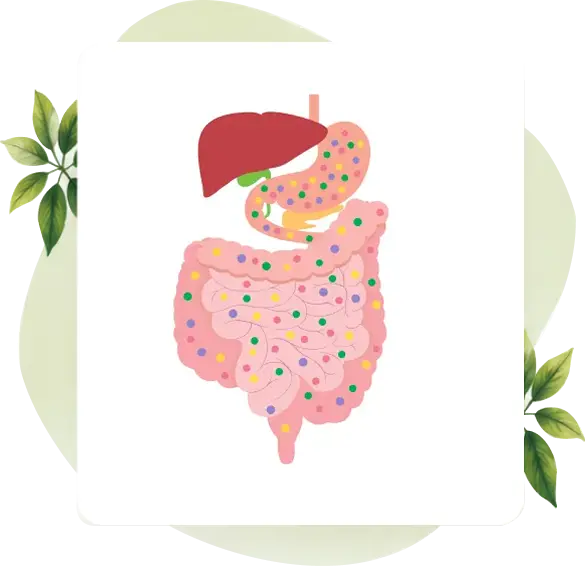
It works mainly on the digestive system, the liver, and the gallbladder, allowing the body to let go of unwanted waste and regain its natural health.
Virechana later became one of the central cleansing methods in Ayurveda and found its place in the Virechana Panchakarma system.
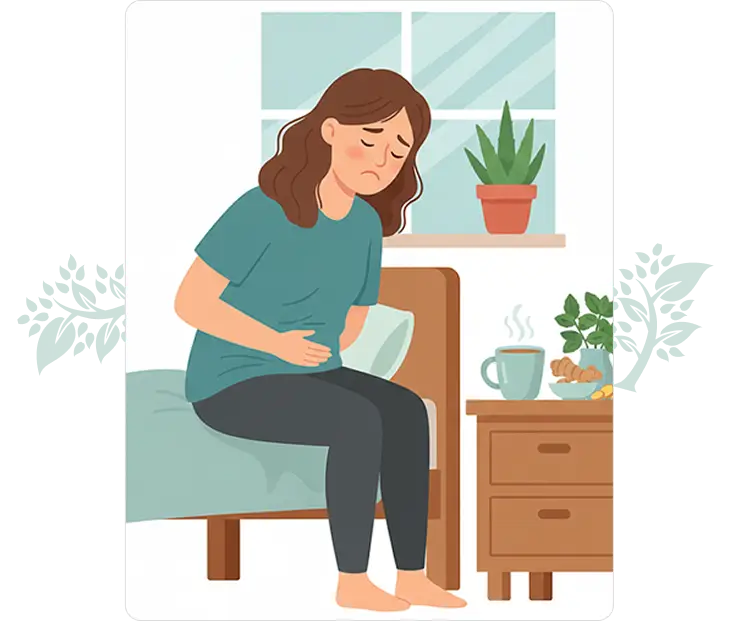
When excess heat builds up in the body, it affects digestion and overall balance.
This process mainly addresses the Pitta dosha, which is responsible for digestion and metabolic activity. When Pitta becomes excessive or imbalanced, it may show up as problems such as inflammation, skin conditions, or acidity. By regulating Pitta, Virechana supports smoother digestion and internal harmony.
Classical Ayurvedic texts describe Virechana as a carefully planned treatment carried out in three well-defined stages, a method that continues to be practised today for both safety and effectiveness.
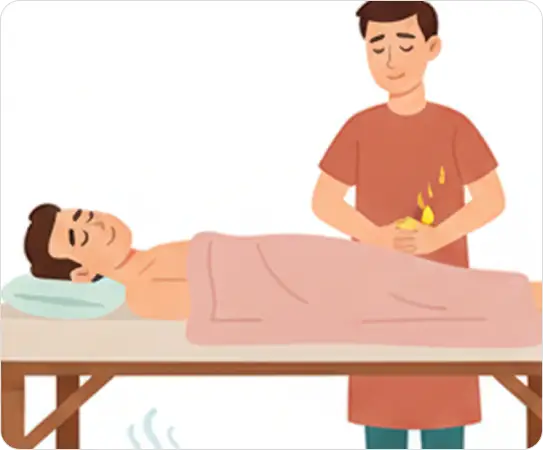
(This means preparing a body for the therapy)
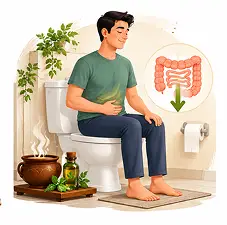
Pradhana Karma is the main cleansing process. On this day, selected herbal laxatives are given orally to encourage gentle and controlled bowel movements, allowing the body to release the collected toxins.
(This means preparing a body for the therapy)
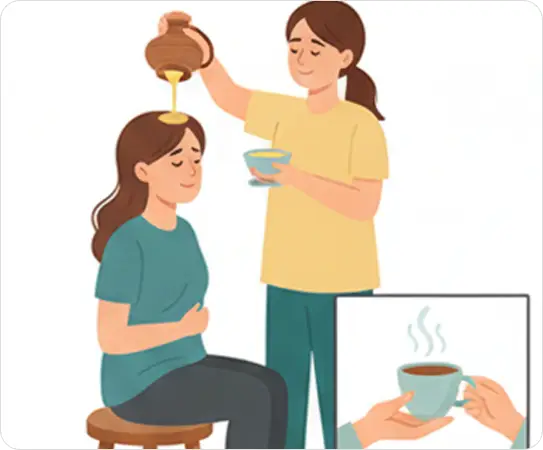
Pradhana Karma is the main cleansing process. On this day, selected herbal laxatives are given orally to encourage gentle and controlled bowel movements, allowing the body to release the collected toxins.
(This means preparing a body for the therapy)
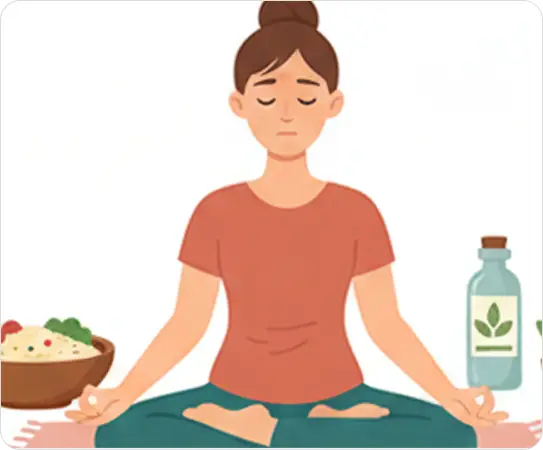
Paschat Karma focuses on recovery and nourishment. A structured and gradual diet is followed to restore digestive strength and ensure the body adjusts smoothly after the cleansing process.
In Ayurveda, Virechana is not seen as a single fixed method. Over time, ancient physicians understood that
every body is
different, so the cleansing process had to change according to a person’s strength and condition. Because
of this, Virechana
was described in different forms in classical texts such as those written by Sharangdhara.
Anulomana supports the natural downward movement of waste in the body and is often used when only light support is needed.
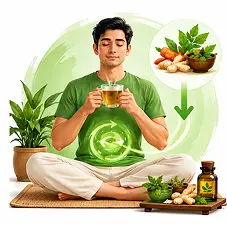
Rechana is more flexible and can be adjusted in strength, making it useful for different needs and body types.
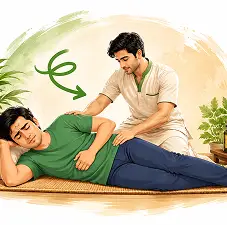
Bhedana is stronger in nature and is chosen when deeper cleansing is required.
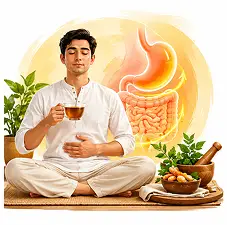
Sramsana goes a step further and helps clear impurities without strongly breaking them down.
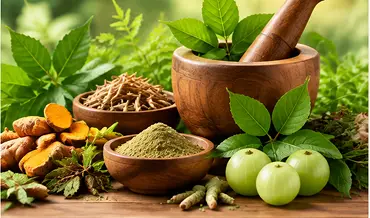
Virechana Panchakarma is also explained based on how powerful the cleansing medicines are. Mild methods, known as Sukha Virechana, are used for soft and easy cleansing. Mridu Virechana works gently and steadily, while Teekshna Virechana uses stronger substances when intense purification is necessary. Herbs like Triphala or Snuhi are selected carefully, keeping the person’s strength and comfort in mind.
Virechana is a traditional Ayurvedic detox therapy that focuses on cleansing the body from within. It
mainly supports digestion, skin
health, and metabolism by helping the body release accumulated toxins, especially those linked with excess
Pitta. This cleansing action
works through the liver, gallbladder, and intestines, allowing the system to reset and function more
smoothly.
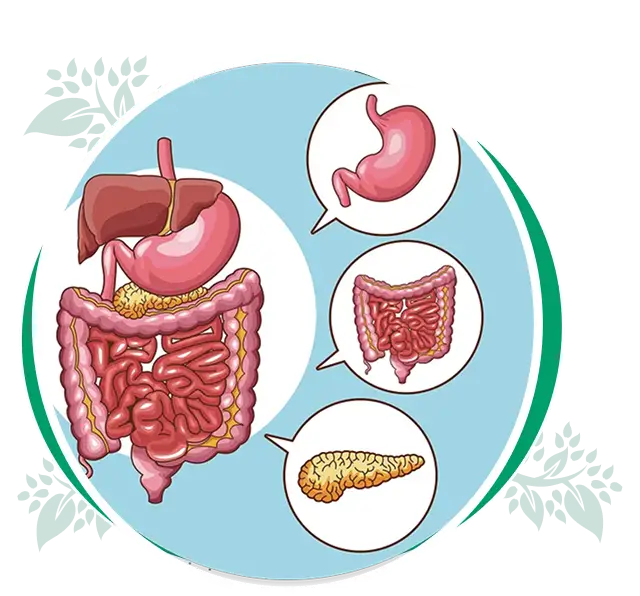

Helps cleanse the digestive tract and liver by removing accumulated toxins and excess bile.

Strengthens digestive fire (Agni), helping relieve constipation, gas, acidity, IBS, and indigestion.

Assists in managing Pitta-related skin concerns such as acne, eczema, psoriasis, rashes, and dull skin.

Supports metabolic health by aiding in the management of obesity, high lipid levels, and diabetes through improved metabolic function and fat regulation.

Encourages calmness and mental clarity while reducing irritability.

May support reproductive health, gynecological concerns, anemia, asthma, and spleen-related disorders
After undergoing Virechana therapy, a vital Ayurvedic detoxification process, numerous health conditions
show notable improvemen
or even reversal, because of the removal of excess Pitta dosha (toxins linked to the fire and water
elements) from the system.
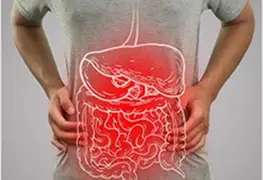

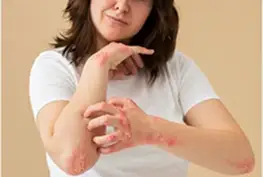





Virechan is a classical Ayurvedic Panchakarma procedure traditionally used to support internal cleansing and balance. At Jeena Sikho HiiMS, the therapy is planned after individual assessment and carried out under the supervision of trained Ayurvedic professionals.

Discover your true Ayurvedic constitution with the wisdom of Acharya Manish Ji. At Jeena Sikho HiiMS, we help you restore Dosha balance through personalised natural healing, empowering your body to achieve lasting health, vitality, and overall well-being.


©Copyrights 2026 Jeena Sikho HiiMS. All Rights Reserved.


