Abhyanga for Vata
Dosha
In Ayurveda, Abhyanga is a traditional full-body oil massage that is often associated with Vata-balancing routines. Vata is linked with the qualities of air and space and is traditionally described as light, dry, cool, and mobile.
When these qualities become excessive, a person may experience dryness, stiffness, restlessness, tiredness, or difficulty settling down. Abhyanga uses warm medicated herbal oil and gentle, rhythmic massage for the body to relax and the mind to slow down.
What Is Abhyanga?
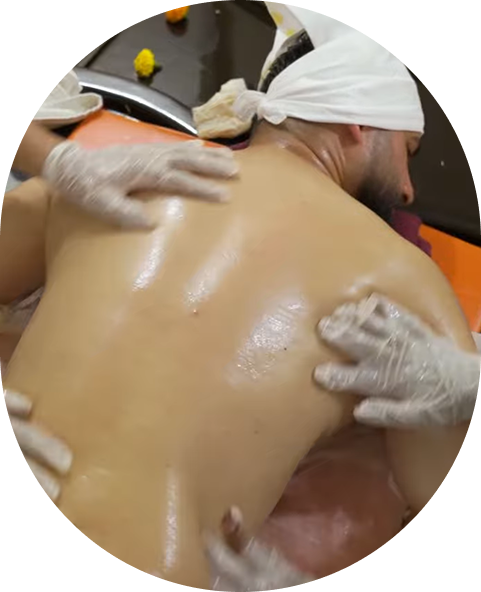
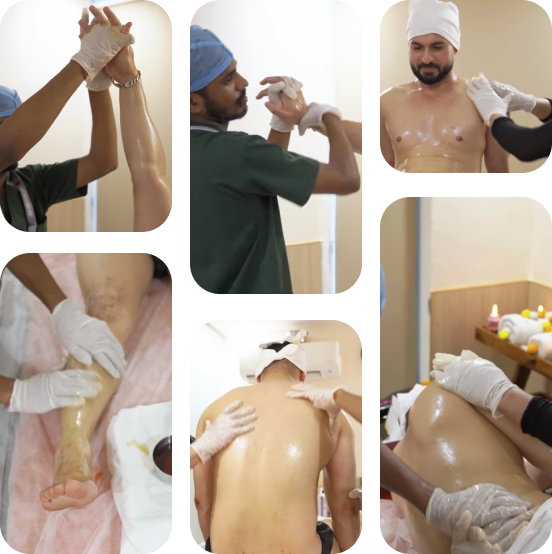
Abhyanga is an Ayurvedic oil massage traditionally performed using warm herbal or Ayurvedic oils.
The oil is gently applied over the body using rhythmic massage movements. Depending on the individual's needs, the massage may focus on areas such as the head, shoulders, back, arms, legs, hands, and feet.
For Vata, the traditional approach generally emphasises warmth, gentle pressure, steady movements and nourishing oils.
Why Is Abhyanga Considered
Suitable for Vata?
When people have Vata dosha in excess, they experience dryness, coolness, lightness, and movement issues.
Abhyanga introduces qualities that are traditionally considered opposite to these:

Warmth
Warm oil can provide a comforting sensation, particularly when the body feels cold or tense.
Oiliness and Nourishment
The use of herbal oil is traditionally associated with countering Vata's dry quality.
Gentle Pressure
Slow and rhythmic massage movements can create a sense of grounding and relaxation.
Steadiness
A regular Abhyanga routine can become a calming part of a Vata-friendly lifestyle.
Benefits of Abhyanga for Vata Dosha
According to traditional Ayurvedic practice, Abhyanga may be used as part of a Vata balancing routine to:
Support Relaxation

Support Relaxation
The slow, rhythmic movements of an oil massage can help create a relaxing experience and encourage the body to unwind.
Help Manage Dryness
Help Manage Dryness
Oil application is traditionally used in Ayurveda to nourish dry skin, which is one of the qualities associated with Vata.
Promote a Sense of Grounding
Promote a Sense of
Grounding
The combination of warm oil, gentle pressure, and steady movements can create a grounded and settled feeling.
Support Comfortable
Movement
Support Comfortable
Movement
Abhyanga is traditionally included in routines intended to support flexibility and comfortable movement, particularly when the body feels stiff or tired.
Encourage Better Rest
Encourage Better Rest
A calm evening Abhyanga routine may help create a peaceful transition from an active day towards bedtime.
Soothe an
Overactive Mind
Soothe an
Overactive Mind
Taking time for a slow massage can provide a break from constant activity and create space for relaxation.
How Abhyanga Is Traditionally
Done for Vata
A Vata-focused Abhyanga session generally begins with gently warming herbal oil to a comfortable temperature.
The warm oil is then applied to the body using slow, rhythmic movements. Slightly more attention may be given to areas such as the joints, lower back, hands, and feet.
A Simple Vata Abhyanga Flow
1
Warm the Oil
Use an appropriate Ayurvedic oil and warm it gently to a comfortable temperature.
2
Begin Slowly
Start with gentle application and allow the body to adjust to the warmth.
3
Use Rhythmic
Movements
Massage with steady movements rather than quick or forceful strokes.
4
Give Attention to the Extremities
Hands, feet, and joints can receive a gentle massage according to individual needs.
5
Allow Time to Rest
After the massage, give yourself some quiet time before bathing.
Oils Traditionally Used for Vata
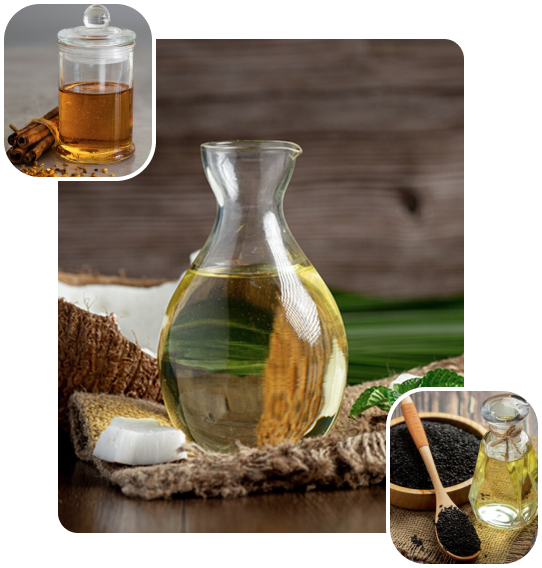
Ayurvedic practitioners may select different oils depending on the person's constitution and needs.
Commonly used options include:
herbal oils
The choice of oil should be personalised. A qualified Ayurvedic practitioner can recommend an appropriate oil based on your Prakriti, current condition, age, and other individual factors.
When Can Vata Abhyanga Be Part of Your Routine?
Abhyanga can be incorporated into a daily or occasional self-care routine depending on the individual's needs. Many people prefer doing it in the morning, while others may find a gentle evening massage relaxing before bedtime. The important part is consistency and comfort rather than following a rigid schedule.
- Warm oil
- Gentle movements
- Less rushing
- Dynamic meditation
- More time to settle
Abhyanga at Jeena
Sikho HiiMS
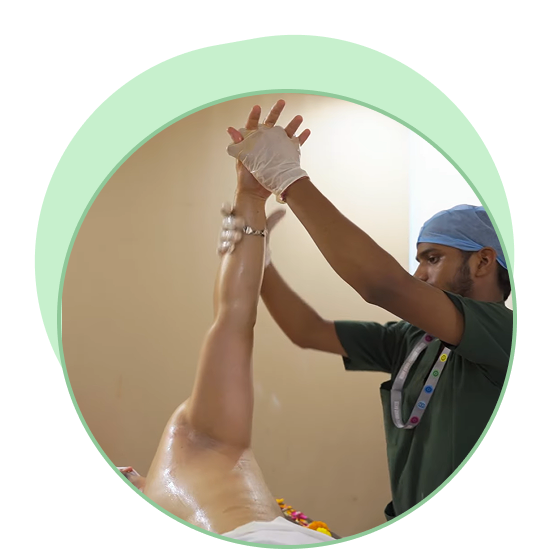
At Jeena Sikho HiiMS, Ayurvedic therapies are considered part of a broader approach that looks at the individual's constitution, lifestyle, and overall well-being.
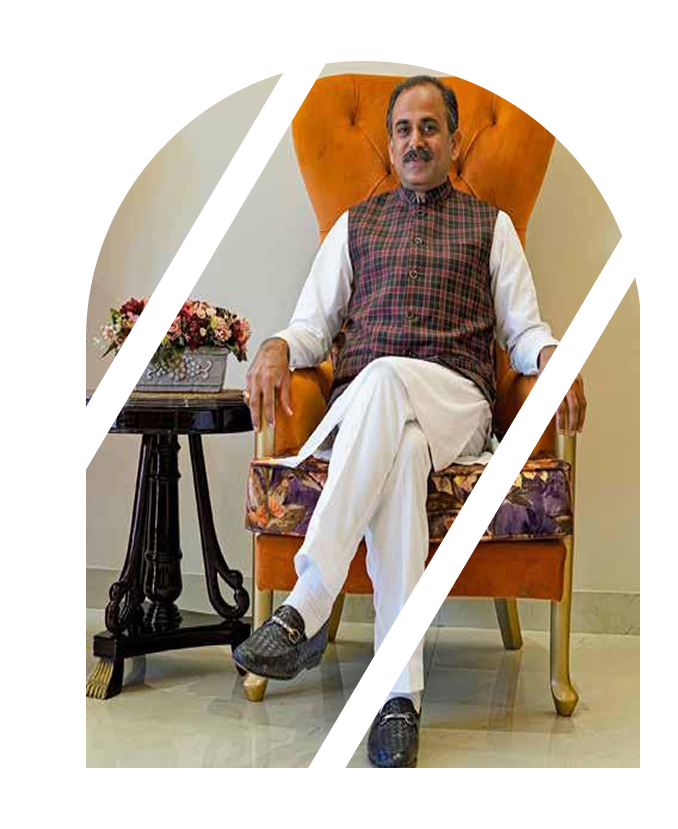
Under the guidance of Acharya Manish Ji, the focus is on understanding the person rather than treating every individual in exactly the same way.
For Vata-dominant individuals, Abhyanga may be included alongside suitable food, daily routines, yoga, meditation, and other Ayurvedic practices as recommended by a qualified practitioner.
Frequently Asked Questions
Is Abhyanga good for Vata Dosha?
Which oil is best for Vata Abhyanga?
How often should I do Abhyanga for Vata?
Can Abhyanga be done at home?
Is Abhyanga suitable for everyone?
Can Abhyanga be combined with other Vata-balancing practices??

Discover your true Ayurvedic constitution with the wisdom of Acharya Manish Ji. At Jeena Sikho HiiMS, we help you restore Dosha balance through personalised natural healing, empowering your body to achieve lasting health, vitality, and overall well-being.


Company
©Copyrights 2026 Jeena Sikho HiiMS. All Rights Reserved.


