Author: healingwithacharya
July 30, 2026
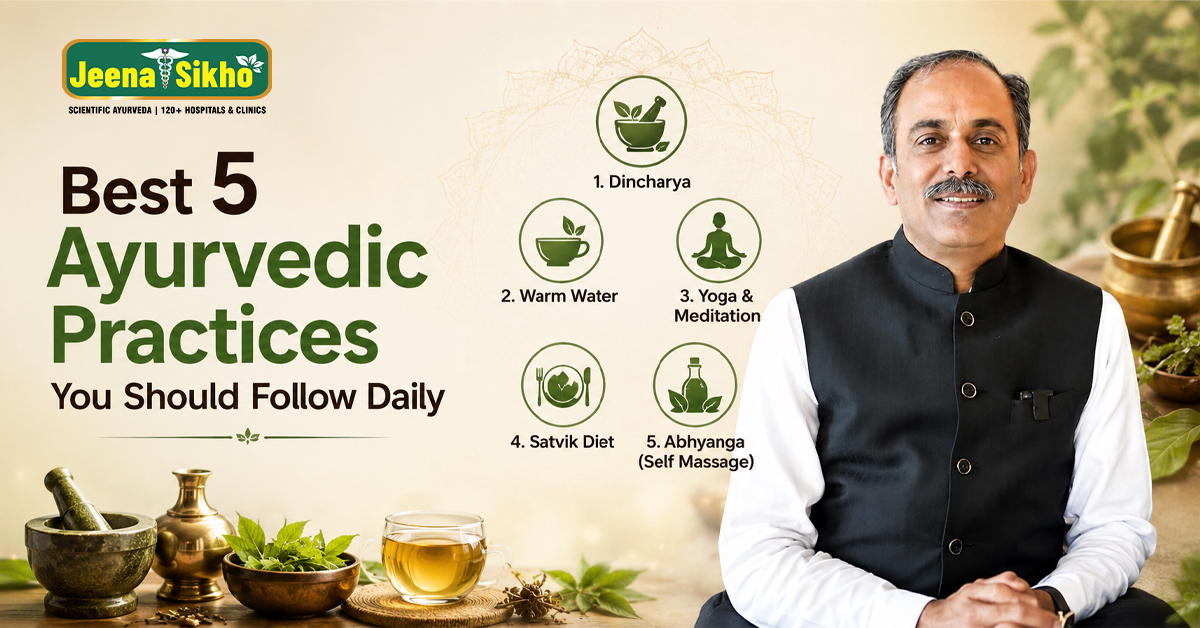
Your body works on a natural rhythm. Every morning, your digestive system wakes up, your body starts clearing out waste, and your energy levels rise and fall based on what you do throughout the day. Following practical Ayurvedic practices is simply about working with this natural timing instead of disrupting it.
Core Ayurvedic Wellness Practices are not about complicated rules or strict diets but about simple daily routines such as how you start your day, when you eat your meals and how well you sleep at night. When you follow an Ayurveda lifestyle, you give your stomach, heart and brain the right conditions to do their job properly.
Building a consistent Dincharya Daily Routine helps your digestive system stay clear, keeps your energy steady and prevents small daily discomforts like acidity, bloating, and fatigue before they even start.
Why Daily Ayurvedic Practices Matter
When it comes to long-term health, what you do every single day matters far more than what you do once in a while. Daily Ayurvedic habits work quietly in the background. The main objective is prevention. The idea is that you give your body the right inputs at the right times to prevent problems building up in the first place.
For example if digestion is slow, undigested food waste can remain in the gut, causing heaviness, gas, skin breakouts, and low energy. When you follow simple daily rituals, your digestive organs remain active and efficient. Your body clears out waste products every morning, your blood circulation stays healthy and your nervous system remains calm.
Making these habits a regular part of your life does not require hours of free time. It simply requires a little intentionality around how you start your morning, manage your meals, and close your day.
Top 5 Ayurvedic Practices to Follow Daily
1. Drink Warm Water First Thing (Ushapan)

How you start your morning sets the baseline for your digestive system. While you sleep, waste products naturally collect in your stomach and intestines. Drinking one or two glasses of plain lukewarm water right after waking up gently awakens your internal organs and stimulates bowel activity. Cold water can shock your gut and cause cramping, warm water matches your body’s internal temperature. It helps break down overnight residue, hydrates your system immediately and promotes a clean, effortless morning elimination before you consume any tea or coffee.
2. Tongue Scraping (Jihwa Nirlekhana)

Noticeable morning white buildup on your tongue is metabolic waste that your body has attempted to purge overnight. Brushing your teeth cleans your enamel, but it leaves this residue behind. Using a simple copper or stainless steel tongue scraper to gently scrape from back to front five to seven times removes this bacteria instantly. This prevents you from re-swallowing waste with your breakfast, remedies morning foul breath, and cleans your taste buds so your stomach receives precise signals to produce appropriate digestive juices for your meals.
3. Keep Dinner Light and Early

Your stomach’s digestive fire directly mirrors the sun, it peaks at noon and slows down significantly as evening approaches. Eating a heavy or late meal forces your body into intense digestive work when it should be resting. Aim to finish a light, warm dinner like soups, steamed grains, or vegetables by 7:00 PM or at least three hours before bed. During this buffer your stomach completes digestion before you lie down. It helps prevent acid reflux and bloating while ensuring your body focuses on deep sleep and tissue repair.
4. Sleep and Wake at Consistent Times
Your brain and organs are very much dependent on a regular daily rhythm. Sleeping and waking at odd hours messes with your metabolism, hormone release and daily energy levels. Having a regular schedule – going to bed around 10 PM and waking up around 6 AM helps to calm your nervous system and reinforce your biological clock.
Avoiding screens an hour before sleeping allows your brain to settle naturally. It enables you to enjoy deeper rest and wake up refreshed without relying on alarm snooze buttons or instant caffeine.
5. Move Consciously for 30 Minutes Daily

You need physical activity to keep your blood circulation active, lymphatic fluids moving and joints moving freely. Ayurveda emphasises moderate exercise to keep you active. Gentle movement like a brisk outdoor walk, light yoga or simple stretching improves overall oxygen flow and stimulates bowel regularity. Try to spend thirty minutes a day doing gentle movement. A light routine of movement prevents you from becoming stiff, clears the brain fog and keeps energy levels steady throughout the day.
Integrating Ayurvedic Practices into Modern Life
You don’t need to completely change your morning routine or try all five habits at once. Real, lasting health happens when you start small.
Pick just one simple thing that feels easy right now, maybe it’s drinking warm water when you wake up or eating dinner a little earlier. Give yourself time to get used to it without any pressure. Once that feels easy, try adding another. Wellness isn’t a race or a strict test; it’s just about treating yourself with a little extra care every day.
Conclusion
An Ayurvedic Dincharya isn’t about drastic overnight changes, it is about choosing small intentional habits that honour your body’s natural wisdom. Drinking warm water, eliminating daily waste, eating with the rhythm of the sun, resting and moving are excellent Ayurvedic practices to build a solid foundation for long term health and vitality.
True health begins when you understand your body’s unique genetic design. What works for one person may not suit another, depending on your unique combination of Vata, Pitta and Kapha.
If you want to know your body type, book your Prakriti Parikshan at Healing with Acharya Manish Ji. And receive a customised diet and daily care guidance designed specifically for your body. Take the first step toward personalised wellness today. Book an appointment today.

FAQs
Q1. Can I start all 5 Ayurvedic practices on the same day?
Ans. It is best to start with one or two simple habits first so your body can adjust easily.
Q2. How do I know which Ayurvedic practices suit my body type?
Ans. You can book a Prakriti Parikshan from official website to know your body type
Q3. Is warm water necessary in the morning or can I drink normal water?
Ans. Warm water is preferable because it gently stimulates your digestive system without shocking your gut.
Q4. What type of tongue scraper should I use daily?
Ans. For safe removal of daily tongue coating, a simple copper or stainless steel tongue scraper is best.
Q5. How long does it take to see results from these daily habits?
Ans. Most people start feeling lighter and more energised within just one to two weeks of regular practice.
Disclaimer: The information provided on this blog is for general educational and informational purposes only. It is not intended to replace professional medical advice, diagnosis, or treatment. Always consult a qualified healthcare professional before making any changes to your diet, lifestyle, or treatment plan. Individual results may vary.