Author: Niteshwari
October 01, 2026
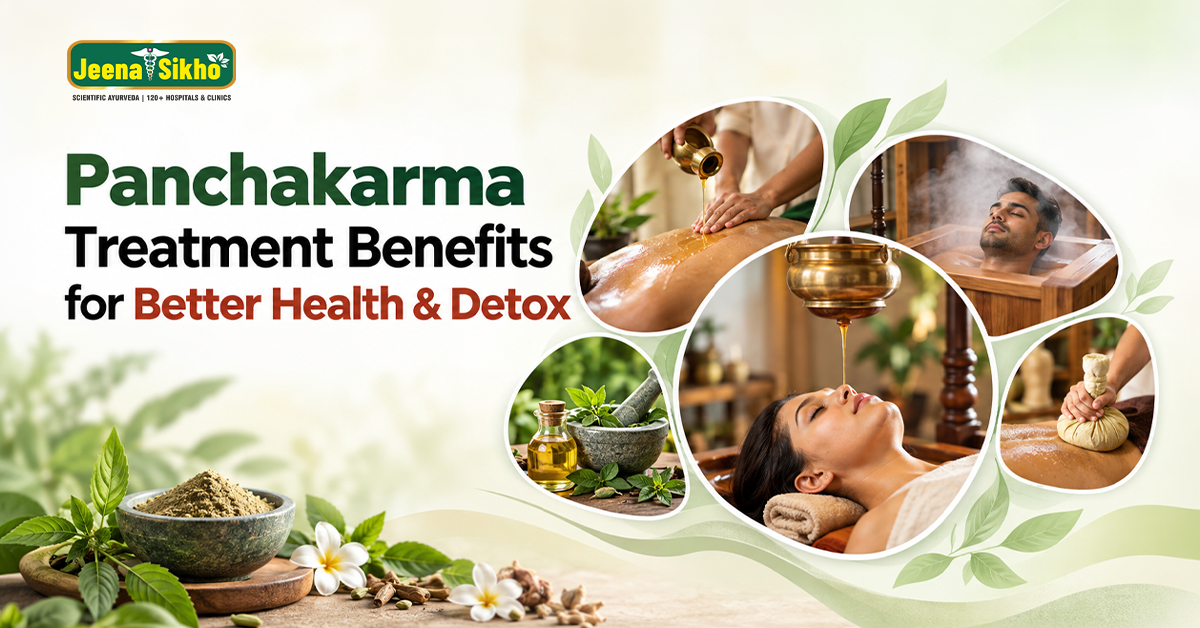
In Ayurveda, the good health is connected with digestion, lifestyle, sleep and the natural balance of the body. When daily habits become irregular, digestion may also become disturbed. Ayurveda gives importance to keeping the body balanced through suitable food, routine and traditional therapies. Panchakarma is one such classical Ayurvedic approach.
Panchakarma means five ancient treatments performed for detoxification and rejuvenation. The five treatments are Vamana, Virechana, Basti, Nasya, and Raktamokshana. All these treatments have a different function and are chosen depending on individual health, strength, digestion and ayurvedic evaluation.
The Panchakarma treatment benefits are traditionally linked with cleansing, digestive wellness, relaxation and rejuvenation. However, Panchakarma is not a fixed detox programme that is the same for everyone. Proper preparation, supervision and post-therapy care are important parts of the process.
In this blog, we will understand the Panchakarma therapy benefits, the five procedures and how Panchakarma is used in Ayurveda for overall wellness.
What Is Panchakarma Treatment in Ayurveda?
Panchakarma means five actions in Ayurveda. It refers to five classical procedures that are used as part of the Ayurvedic purification practices.
Ayurveda describes three doshas, Vata, Pitta and Kapha, which are considered important for maintaining balance in the body. It also gives importance to Agni, or digestive fire. When digestion and lifestyle are not balanced, Ayurveda describes the buildup of ama, or unwanted metabolic residue.
The traditional purpose of Panchakarma is to support purification and restore balance through carefully selected procedures.
It is not a single treatment. A practitioner first considers the person’s condition and then decides whether Panchakarma is suitable and which procedure may be appropriate.
This personalised approach is an important part of the Panchakarma treatment in Ayurveda.
What Are the Main Panchakarma Treatment Benefits?
The benefits of Panchakarma treatment have always been described in terms of digestive improvement, detoxification, relaxation and general well-being.
1. Supports Digestive Wellness
Ayurveda places great importance on the healthy digestion. Panchakarma is traditionally used along with suitable food and routine to support Agni and digestive balance.
2. Supports Traditional Body Cleansing
One of the main reasons people explore Panchakarma is its traditional association with purification. The term ‘Panchakarma detox benefits’ is often used for this aspect of the therapy.
In Ayurveda, detoxification refers to a traditional purification concept. It should not be understood as a medically proven way to remove every environmental toxin from the body.
3. Supports Relaxation
Some Ayurvedic therapies included around Panchakarma involve massage, warmth, rest and a calm routine. These practices may help create a more relaxed wellness experience.
4. Supports Rejuvenation
Ayurveda traditionally connects Panchakarma with rejuvenation when suitable preparation and post-therapy care are followed. Food, rest and lifestyle are also important during this stage.
5. Supports Overall Wellness
Panchakarma for overall wellness is generally considered as part of a wider Ayurvedic lifestyle rather than a single procedure. Suitable food, sleep, movement and daily routine can all be included in the process.
What Are the Five Panchakarma Therapies?
The five classical procedures are Vamana, Virechana, Basti, Nasya and Raktamokshana. Each has a different traditional role.
Vamana Therapy
Vamana therapy is a controlled therapeutic vomiting procedure described in classical Ayurveda. It is traditionally associated with aggravated Kapha.
Before Vamana, the body may be prepared through suitable Ayurvedic procedures and dietary guidance. The therapy should always be performed under trained supervision.
It should never be attempted at home by inducing vomiting.
Virechana Therapy
Virechana therapy is a traditional Ayurvedic purgation procedure. Ayurveda commonly associates it with Pitta-related imbalance.
The procedure involves selected Ayurvedic preparations and requires suitable preparation and monitoring. Food, hydration and rest can also form part of the overall process.
Because purgation can affect fluid balance, professional supervision is important.
Basti Therapy
Basti therapy involves administering selected Ayurvedic preparations through the rectal route.
Ayurveda gives Basti an important place in the management of Vata-related imbalance. Different types of Basti may involve oils, herbal preparations or other Ayurvedic substances.
The type and duration should be selected by a qualified practitioner according to individual needs.
Nasya Therapy
Nasya Therapy involves administering selected Ayurvedic preparations through the nasal passage.
It is traditionally used in Ayurveda in relation to the head, neck and upper body. Herbal oils or other preparations may be selected depending on the purpose of the therapy.
Proper assessment is important before beginning Nasya.
Raktamokshana Therapy
Raktamokshana therapy is a traditional Ayurvedic bloodletting procedure.
It has a specific place in classical Ayurvedic practice and is considered only for selected situations. Since the procedure involves blood removal, hygiene, proper patient selection and trained supervision are essential.
If you are considering Vamana, Virechana, Basti, Nasya or Raktamokshana therapy, consult our experienced Ayurvedic doctors to understand which therapy may be suitable for your individual needs. Book Your Appointment Today and take the first step towards personalised Ayurvedic care with Jeena Sikho HiiMS.
How Does Ayurvedic Detox Therapy Work?
Ayurvedic detox therapy is different from the modern idea of drinking a detox juice for a few days.
Panchakarma traditionally involves three broad stages:
- Preparation
- Main purification procedure
- Post-therapy care
Preparation may include dietary changes, oil application, sweating therapies and other suitable Ayurvedic procedures.
After the main procedure, the person may follow a lighter diet and gradually return to their regular routine.
This complete process is important because Panchakarma is more than a single therapy session.
Panchakarma for Body Detox and Daily Wellness
People often search for Panchakarma for body detox when they feel their lifestyle has become irregular.
Working for long hours, having inadequate sleep, unhealthy eating patterns, and absence of physical exercise could make it hard to have a healthy regimen. The Ayurvedic treatment concentrates on changing these habits along with conventional methods.
An appropriate regimen could be:
- Healthy and right foods
- Meal timings
- Sufficient water
- Quality sleep
- Yoga
- Meditation
- Right amount of physical activities
- Low consumption of processed foods
Such habits would help in sticking to Ayurvedic treatment methods post-Panchakarma.
Who Should Consider Panchakarma?
Panchakarma is not suitable for everyone in the same way.
Before starting, a practitioner may consider:
- Age
- Strength
- Digestion
- Current health
- Existing medicines
- Recent surgery
- Pregnancy
- Hydration
- Lifestyle
- Other health conditions
The same procedure may not be appropriate for two different people.
This is why Panchakarma purification therapy should be planned after proper assessment rather than selected only because it is popular.
What Happens After Panchakarma?
Treatment after therapy is an important component of the Ayurvedic practice. After completion of Panchakarma, there is a need for the body to get used to its normal pace again. According to the general principle of Ayurveda, a gradual introduction of more food should take place after certain purifications.
Post-therapy guidelines may involve:
- Light and easy-to-digest food
- Getting enough rest
- Sleeping regularly
- Refraining from doing much physical work
- Getting back to a regular diet little by little
- Obeying the advice of the practitioner
These measures will help in making the transition from therapy to routine life smoother.
Panchakarma at Jeena Sikho HiiMS
Jeena Sikho HiiMS includes Panchakarma as part of its Ayurvedic and integrated wellness approach. The therapies are planned according to the person’s condition and may be combined with diet and lifestyle guidance.
The approach to Ayurveda and natural wellness associated with Acharya Manish Ji can also be explored through his official website, Healing With Acharya Manish. The platform shares information related to Ayurveda, natural wellness, lifestyle and traditional health practices.
HiiMS offers traditional Panchakarma procedures such as Vamana, Virechana, Basti, Nasya and Raktamokshana at its centres.
A person seeking the Panchakarma therapy benefits should seek a professional opinion before undertaking the treatment. The therapist will be able to get information about their health, digestion, way of life and other pertinent aspects before suggesting a suitable approach.
Conclusion
The Panchakarma treatment benefits are traditionally linked with purification, digestive wellness, relaxation and rejuvenation. Vamana, Virechana, Basti, Nasya and Raktamokshana each have a different role in Ayurveda, so the right procedure depends on individual assessment.
Panchakarma therapy should be seen as one element in an Ayurvedic system along with correct nutrition, adequate sleep and appropriate lifestyle. In case you require information regarding Ayurvedic Panchakarma benefits or Panchakarma treatment in Ayurveda, it is advisable that you consult an Ayurvedic practitioner before you undertake the treatment procedure. It is also possible for you to learn about your Prakriti Parikshan and Ayurvedic wellness advice by checking out Healing With Acharya Manish Ji.

FAQs
1. What are the primary benefits of the Panchakarma treatment?
The Panchakarma treatment benefits include purification, digestive health, relaxation, rejuvenation and Ayurveda balance maintenance. It might vary from one to another due to personal health status and the technique.
2. What are the five Panchakarma therapies?
The five classical procedures are Vamana, Virechana, Basti, Nasya and Raktamokshana. Each has a different traditional purpose and should be selected after proper assessment.
3. Is Panchakarma suitable for everybody?
No, there is no single treatment for everyone. The age, vigor, digestive ability, state of health, medicine being taken, etc. need to be taken into consideration prior to choosing any method.
4. How long would the Panchakarma therapy last?
There is no fixed time limit applicable to everyone. It will depend upon the choice of the process and individual case along with post-treatment recommendations of the therapist.
5. What should I do after Panchakarma?
Adhere to the recommended diet and regimen. Usually, it is better to slowly go back to your normal diet and physical activities.
Disclaimer: The information provided on this blog is for general educational and informational purposes only. It is not intended to replace professional medical advice, diagnosis, or treatment. Always consult a qualified healthcare professional before making any changes to your diet, lifestyle, or treatment plan. Individual results may vary.