Author: healingwithacharya
August 25, 2026
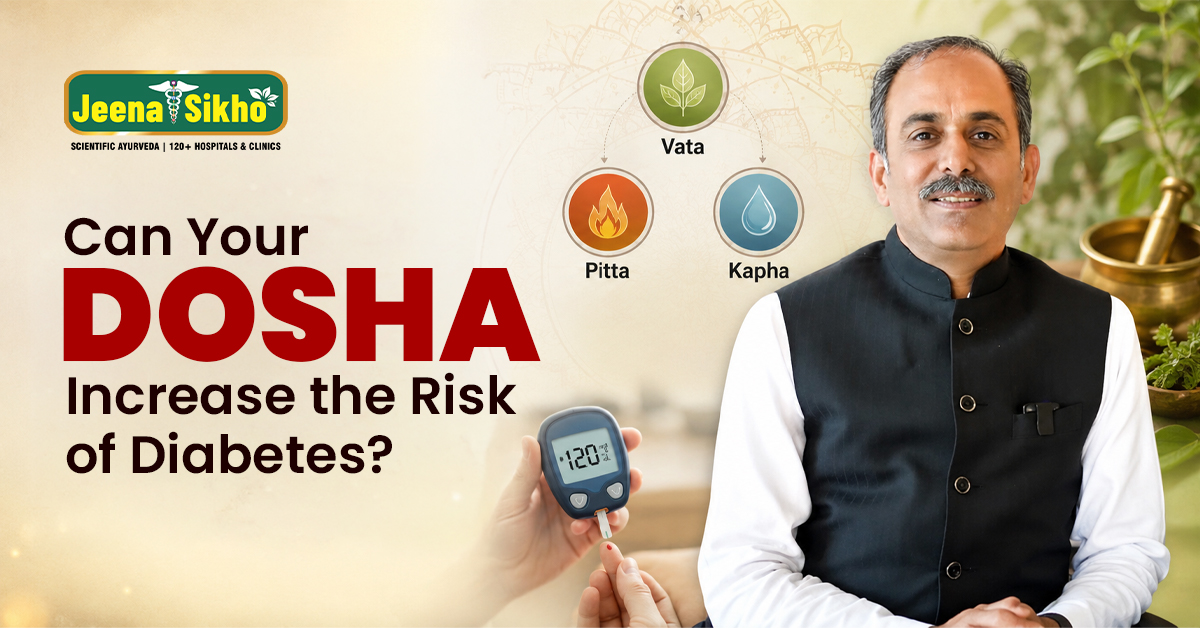
Over the years, diabetes has become increasingly common. Many experts relate this rise to unhealthy eating patterns, lack of exercise, stress, and insufficient sleep. Modern medicine evaluates diabetes through blood sugar levels, insulin function, and other health factors. Diabetes in Ayurveda follows a broader approach. It looks at health through the balance of Vata, Pitta, and Kapha, the three doshas that Ayurveda associates with various body functions. According to Ayurveda, long-term imbalance in these doshas may affect digestion, metabolism, and overall body functions.
In Ayurvedic texts, Madhumeha is described as a condition associated with imbalances in the body and factors such as diet, lifestyle, and digestion. Still, it is important to know that dosha imbalance by itself is not considered the direct cause of diabetes. It may only increase the risk of metabolic disturbances when combined with an unhealthy lifestyle. Knowing your dosha and improving daily habits may help support the better metabolic health over time.
What are Doshas in Ayurveda?
Ayurveda says each person has a body constitution that is made up of three doshas:
- Vata governs movement, respiration and the nervous system.
- Pitta rules digestion, metabolism and body heat.
- Kapha is responsible for strength, stability, lubrication and body structure.
All the three doshas are necessary for good health. Imbalance in doshas may occur due to unhealthy food choices, stress, lack of exercise, or irregular daily habits.
What Is Diabetes in Ayurveda?
Diabetes according to Ayurveda is mainly described under the group of disorders known as ‘Prameha’. One of its advanced forms is called Madhumeha, where the body loses its natural balance and proper metabolism.
From an Ayurvedic perspective, factors that may contribute to this condition include:
- Frequent consumption of sugary and oily foods
- Overeating
- The sedentary lifestyle with little movement
- Poor digestion
- Weight gain
- Long-term imbalance of the doshas
Instead of looking only at blood sugar, Ayurveda tries to understand the overall health of digestion, metabolism, and body balance.
Can Your Dosha Increase the Risk of Diabetes?
The answer is that your dosha alone does not decide whether you will develop diabetes. However, However, according to Ayurveda, a long-term imbalance may be associated with lifestyle and metabolic factors that can affect overall health.
For example,
- An increased Kapha Dosha may lead to the weight gain, slow digestion, and reduced physical activity.
- Pitta imbalance may affect metabolism and increase inflammation.
- Vata imbalance may affect the body’s normal functions.
This is why Ayurveda emphasises the relationship of Dosha and diabetes, where healthy lifestyle habits help to maintain the natural balance of the body.
Why Is Kapha Dosha Often Linked with Diabetes?
In Ayurveda, Kapha imbalance is often discussed in relation to metabolic concerns.
When Kapha increases, a person may notice,
- Weight gain
- Low energy
- Feeling sleepy after meals
- Slow digestion
- Craving sweets
- Reduced physical activity
These habits may increase the diabetes risk over time if ignored. Ayurveda encourages correcting the lifestyle habits before they become more serious.
Lifestyle Habits That Disturb the Doshas
Many daily habits can disturb the natural balance of the body. Some common reasons include,
- Regularly eating processed or overly sugary food.
- Long hours of sitting with little movement in between.
- Falling asleep immediately after a meal.
- Eating late into the night.
- Living under constant, unmanaged stress.
- Irregular or poor-quality sleep.
- Skipping regular exercise altogether.
These habits may influence digestion and metabolism which Ayurveda considers crucial for maintaining the overall health over time.
Healing with Acharya Manish Ji: A Personalised Ayurvedic Approach
The Ayurvedic approach to diabetes looks beyond blood sugar levels and considers overall lifestyle, digestion, food habits, sleep, and daily routine. Healthy eating, regular meal timings, yoga, physical activity, quality sleep, and stress management are considered important parts of daily life.
Healing with Acharya Manish ji shares the Ayurvedic philosophy of Acharya Manish ji, which focuses on understanding the root lifestyle factors that may affect the overall health. The website provides information about personalised Ayurvedic guidance based on an individual’s body constitution, daily routine, and food habits. It also encourages simple lifestyle practices that may support long-term wellness.
Conclusion
Your dosha alone does not determine your risk of diabetes. From an Ayurvedic perspective, maintaining a balanced lifestyle, healthy eating habits, regular physical activity, proper sleep, and stress management may support overall metabolic health.
A balanced lifestyle can support overall well-being in a natural way. Acharya Manish Ji provides Ayurvedic consultations focused on lifestyle guidance and healthy habits, where experts understand the body constitution before suggesting suitable lifestyle measures. You may also Book An Appointment for individual guidance.

FAQs
1. Which dosha is most linked with diabetes?
In Ayurvedic discussions, Kapha dosha is commonly associated with metabolic concerns that may be relevant when discussing diabetes.
2. Does having a Kapha body type mean I will get diabetes?
No. Having a Kapha body type does not mean that you will develop diabetes. Lifestyle, genetics, diet, physical activity, and other health factors also influence diabetes risk.
3. How can I know my dominant dosha?
An Ayurvedic practitioner can assess your dosha by studying the body type, digestion, and daily habits.
4. Is diabetes only caused by dosha imbalance?
No, dosha imbalance alone doesn’t cause diabetes; it works along with unhealthy lifestyle habits.
5. What kind of diet does Ayurveda suggest for diabetes management?
A personalised, balanced diet according to one’s body type is usually recommended.
References & Sources
- https://ccras.nic.in/
- https://www.who.int/news-room/fact-sheets/detail/diabetes
- https://diabetesjournals.org/care
Disclaimer: The information provided on this blog is for general educational and informational purposes only. It is not intended to replace professional medical advice, diagnosis, or treatment. Always consult a qualified healthcare professional before making any changes to your diet, lifestyle, or treatment plan. Individual results may vary.