Author: healingwithacharya
August 31, 2026
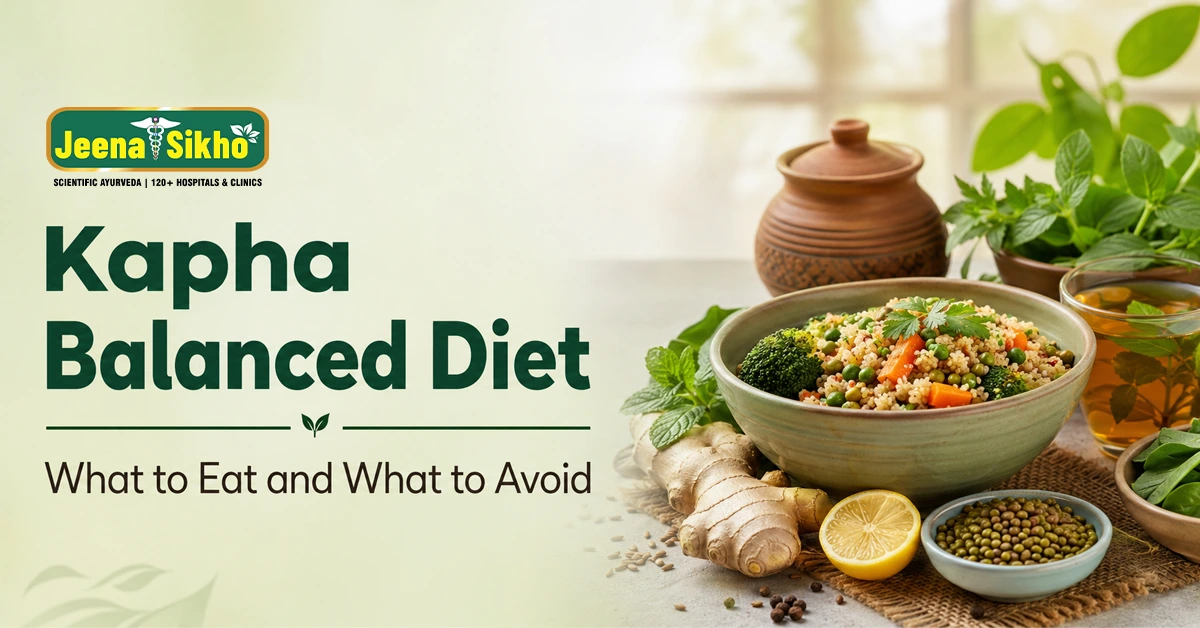
The food that one takes has an important relation with the digestion process, energy, and body balance in Ayurveda. As per Ayurveda, there are three doshas, such as Vata, Pitta, and Kapha. The doshas have certain characteristics, and the diet and lifestyle of an individual can be modified according to the type of dosha.
Kapha is known for its qualities, which include being heavy, stable, cool, moist and soft. If one has too much Kapha, they will feel sluggish and heavy and will have decreased appetite, congestion or laziness. Thus, it is suggested that those who need to balance their Kapha should consume light, warm and dry foods.
Following a kapha diet does not mean limiting one from food and eating nothing or even avoiding some types of food. The main idea is to select those products and methods of cooking which contribute to good digestion and decrease excess heaviness. The food can also be selected at Jeena Sikho HiiMS based on individual health, digestion, lifestyle, and body constitution.
What Is a Kapha Diet?
A kapha diet is an Ayurvedic dietary approach that gives preference to foods with light, warm, dry, pungent, bitter and astringent qualities. These qualities are traditionally considered helpful for balancing excessive Kapha.
Freshly prepared meals, moderate portions and appropriate use of warming spices are generally preferred. Heavy, oily, very sweet and cold foods are usually limited because they are considered more likely to increase Kapha qualities.
However, an Ayurvedic diet should not be the same for every person. Your constitution, age, digestion, activity level, season and health condition should also be considered before making major dietary changes.
Kapha Balancing Foods to Include
Choosing the right foods is an important part of a Kapha-focused eating pattern. Some foods traditionally considered suitable include the following.
1. Light and Whole Grains
Barley, millet, buckwheat, corn and rye are commonly included in a Kapha diet. These grains are generally lighter than heavier grain preparations and can be used to prepare simple meals.
You can include millet khichdi, barley preparations or lightly cooked grain-based meals instead of making every meal rich or heavy.
2. Fresh Vegetables
Vegetables are very essential components in our diet, and there are light vegetables that are fit to use in Kapha diets.
Leafy greens, radish, carrots, beetroot, pumpkin, gourds and other seasonal vegetables can be included. Cooking vegetables with suitable spices can make them easier to digest.
Steamed, lightly cooked or sautéed vegetables may be preferred over vegetables prepared with excessive oil.
3. Suitable Fruits
Fruits which are not very heavy and not too sweet should generally be taken in case of Kapha dosha imbalance.
Apple, pomegranate, berries and any type of citrus fruits like lemon could be considered based on personal preferences. Seasonal fruits are recommended over juices as they contain more sugars.
Too sweet fruits and a large amount of fruit together might not suit all those who are on a Kapha-balancing diet.
4. Beans and Lentils
In general, beans and legumes are acceptable additions to the kapha dosha diet routine provided that they are prepared properly.
Moong dal, masoor dal, chickpeas and other legumes are rich sources of proteins and fibre. Where legumes cause wind and digestion problems, they need to be cooked well.
Incorporating ingredients like cumin seeds, ginger or turmeric could also improve the digestibility of a regular dal preparation.
5. Warming Spices
The use of spices is very important in Ayurvedic cuisine for Kapha.
Ginger, black pepper, turmeric, cumin, cinnamon and similar warming spices can be used in moderate amounts. These spices can add flavour without relying heavily on oil, sugar or rich sauces.
The amount should still be adjusted according to individual digestion and tolerance.
Foods to Limit or Avoid for Kapha
A Kapha balancing diet generally reduces foods that are very heavy, oily, cold or excessively sweet.
1. Heavy Dairy Products
Heavy dairy foods such as cream, cheese, butter and large quantities of full-fat dairy are traditionally limited in a Kapha diet.
Cold milk and cold dairy preparations may also be less suitable for people who experience heaviness or congestion. If dairy is part of your regular diet, the quantity and form can be adjusted according to individual needs.
2. Excessive Sugar and Sweets
A sweet taste is traditionally associated with Kapha-increasing qualities. Therefore, sweets, refined sugar, pastries, desserts and heavily processed sweet foods are best kept limited.
Instead of reaching for sweets frequently, choose fresh fruit when appropriate and keep added sugar moderate.
3. Fried and Oily Foods
Fried food items might appear to be heavy in nature and may be difficult to digest for some individuals.
The incorporation of pakoras, fried foods, chips, and any food items that contain a high percentage of oil is normally prohibited in the Kapha diet. Steam, bake, broil, or lightly cook.
4. Very Cold Foods and Drinks
Extremely cold food and drink items are not considered very appropriate for Kapha. Avoid including iced beverages and refrigerated food items in your regular diet plan.
5. Heavy and Highly Processed Foods
Fast food, creamy preparations, processed snacks and meals that are very rich or oily can add to the heaviness of the diet.
A simpler meal prepared from fresh ingredients is generally a better choice when following a Kapha balancing approach.
Sample Kapha Diet Plan for One Day
A simple kapha diet plan can be structured around light meals and moderate portions.
Early morning: Warm water. If suitable for you, you may include a simple herbal drink recommended by an Ayurvedic practitioner.
Breakfast: Vegetable millet upma or lightly spiced vegetable poha with a suitable seasonal fruit.
Mid-morning: One light fruit, such as an apple or pomegranate.
Lunch: Barley or millet with moong dal and seasonal vegetables with salad if you can digest it.
Evening snack: Herbal tea or roasted nuts instead of the fried snacks.
Dinner: Vegetable soup or vegetables with some dal.
How much to eat and what to eat is a matter of personal choice depending on appetite and digestive strength.
Simple Habits Along With a Kapha Diet
Food is only one part of an Ayurvedic lifestyle. If you are trying to follow a Kapha balancing routine, regular physical activity can also be useful.
Avoid remaining inactive for long periods. Walking, yoga, stretching or another form of regular movement can become part of your daily routine.
Strive to maintain a consistent schedule of meals and not eat just because food is available. Eating when the previous meal has been properly digested can help you maintain a more organised routine.
Adequate sleep is important, but excessive daytime sleeping may contribute to sluggishness for some people. A consistent daily routine can therefore be useful.
Who Should Follow a Kapha Diet?
A Kapha-focused diet may be considered for people whose Ayurvedic assessment indicates an excess of Kapha qualities. However, having a Kapha dominant constitution does not automatically mean that every Kapha-reducing food is suitable for you.
Your diet should also consider your digestion, nutritional requirements, physical activity, age, season and existing health conditions.
If you have diabetes, kidney disease, heart disease, digestive problems or another medical condition, do not make major dietary changes based only on general dosha information. Professional guidance can help you choose an appropriate diet.
Kapha Diet at Jeena Sikho HiiMS
At Jeena Sikho HiiMS, Ayurvedic dietary guidance may be considered as part of a broader approach to health and lifestyle. The kapha dosha diet can be adjusted according to an individual’s constitution, digestion, routine and overall health rather than following a fixed food list for everyone.
The focus can include fresh and suitable foods, regular meal timings, appropriate physical activity and lifestyle habits that support digestion and daily wellbeing.
Conclusion
A Kapha balanced diet mainly focuses on keeping meals light, warm, fresh and easy to digest. Whole grains such as barley and millet, seasonal vegetables, suitable fruits, lentils and warming spices can form part of this approach. At the same time, excessive sweets, fried foods, heavy dairy, cold foods and highly processed meals are generally limited.
The best Kapha balancing food will ultimately be based on your constitution and health requirements. As every person has a distinctive body structure, Ayurvedic recommendations must always be personalized. Healing with Acharya Manish Ji takes it one step further in that it enables you to find out your body type and receive recommendations tailored to you. You can schedule an appointment for the Prakriti Parikshan test on the official website.
FAQs
1. Which type of food is recommended for Kapha Dosha?
Foods that are light, warm and fresh, including millet, barley, green vegetables, beans, apples and pomegranate, are usually recommended.
2. Which foods must be avoided in a Kapha diet?
Too many sweet foods, fried foods, heavy dairy products, cold foods, junk foods and foods containing too much oil.
3. Can a Kapha diet help in weight loss?
Yes, a Kapha diet can promote healthy eating, but weight loss will also depend on exercise, sleep and diet overall.
4. Is a Kapha diet good for all people?
Every person has different dietary requirements based on constitution, digestive system, age, way of life and health status.
5. How can I design a Kapha diet myself?
One simple Kapha diet could consist of a light breakfast, seasonal fruits, vegetable dal with vegetables and millet and/or barley preparations.
Disclaimer: The information provided on this blog is for general educational and informational purposes only. It is not intended to replace professional medical advice, diagnosis, or treatment. Always consult a qualified healthcare professional before making any changes to your diet, lifestyle, or treatment plan. Individual results may vary.