
Stress, lack of a balanced meal plan, sleep, and exercise can influence your feelings on a regular basis. In addition, these behaviours have an importance when we speak about taking care of your general health. The theory of Ayurveda takes into account such aspects as food, daily regimen, psychological state and bodily constitution as components of wellness.
According to the rules of Ayurveda, there are three doshas in the body. These are Vata, Pitta, and Kapha. They have special characteristics and play a specific role within the traditional Ayurvedic treatment system.
Learning about Vata, Pitta, and Kapha will give insight into the way that the practitioners of Ayurveda take into account the constitution of the body and the lifestyles of people while making recommendations for wellness. This guide will explore the relationship of the three doshas to heart health and some simple ways to maintain a healthy heart.
How Does Ayurveda Understand Heart Health?
In Ayurveda, the heart is called Hridaya. In accordance with the ancient Ayurvedic treatises, it is one of the crucial organs for health of both the body and mind. Also, Ayurveda refers to Prana, which is connected to the concept of life force, and Ojas, which is connected to strength. The terms used by Ayurveda are not medical measurements of the work of the heart.
According to Ayurveda, proper nutrition, physical activity, relaxation, and right daily regimen are crucial components of good health. All these points are also presented in the Ayurvedic approach to the heart’s health. Along with that, heart’s health requires taking into account factors like blood pressure, blood cholesterol levels, blood glucose, family history, etc.
How Do Vata, Pitta, and Kapha Relate to Heart Health?
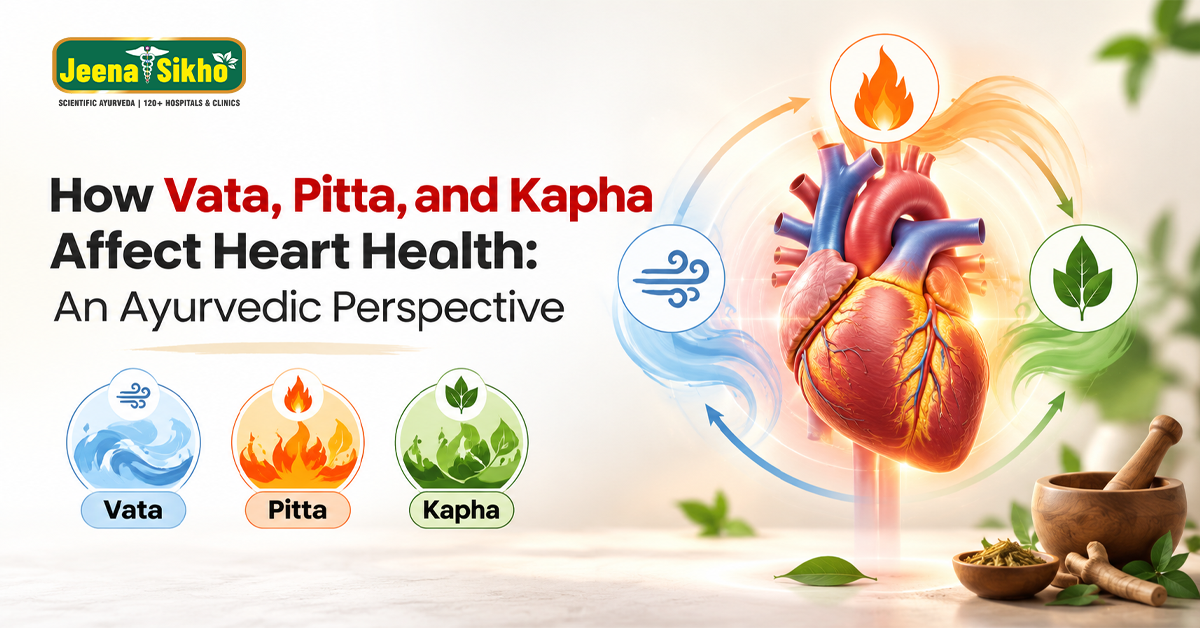
Vata is linked with the motion, air, and space in Ayurveda. Pitta is associated with heat, digestion, and transformation. Kapha is associated with earth, water, stability, and structure. Doshas help in understanding the body constitution of an individual in Ayurveda. The relation between doshas and the heart is explained in terms of daily routine, food, exercise, sleep, and stress management from an Ayurvedic point of view. But doshas are only Ayurvedic concepts, and they do not medically diagnose heart diseases.
Common Dosha Imbalance Patterns
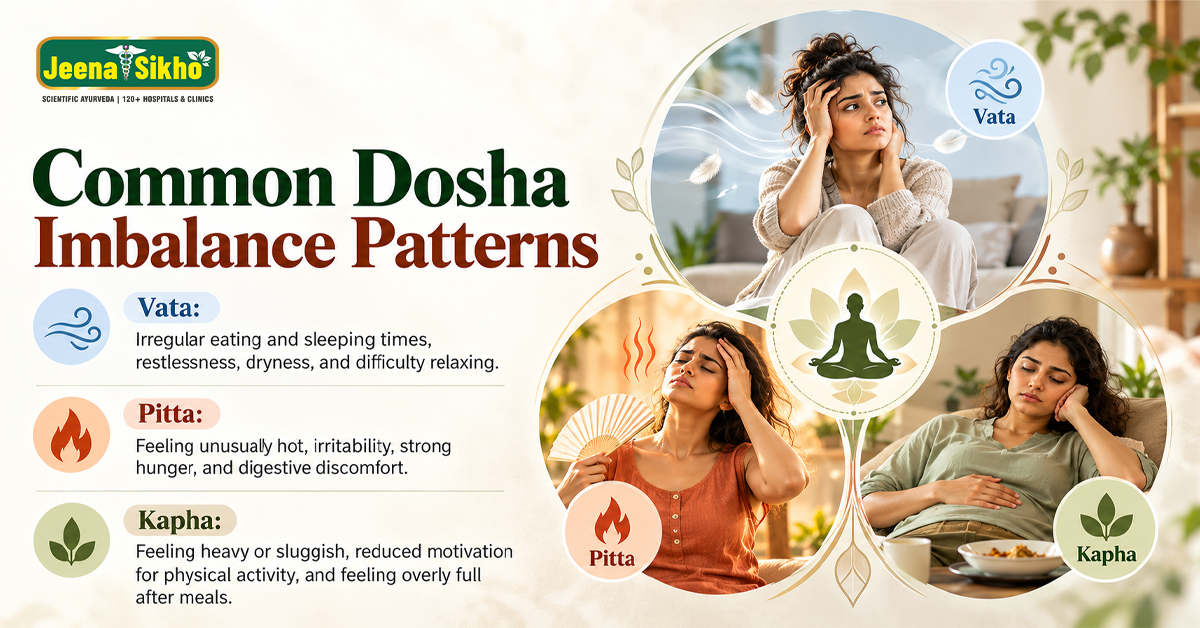
Traditional Ayurvedic descriptions associate different patterns with each dosha:
- Vata: Irregular eating and sleeping times, restlessness, dryness, and difficulty relaxing.
- Pitta: Feeling unusually hot, irritability, strong hunger, and digestive discomfort.
- Kapha: Feeling heavy or sluggish, reduced motivation for physical activity, and feeling overly full after meals.
These experiences are not specific signs of heart disease and cannot confirm a dosha imbalance or a heart condition.
Daily Habits to Support Dosha Balance

Typically, ayurveda promotes timely meals, adequate sleep, a balanced diet of the home-cooked meals, exercises, and relaxation. Some light exercises that may include walking, mild yoga practices, and relaxed breathing techniques may be practised according to individual ability levels.
A balanced diet that may include vegetables, fruits, grain products, pulses, and balanced proteins would promote overall health. It is advisable to avoid smoking habits and excessive use of salt and measure body blood pressure and body cholesterol levels.
Individuals who have a history of heart-related problems should seek professional advice before changes to diet and exercises. Individuals experiencing chest pain, difficulty in breathing, fainting spells, or chest pains spreading to arms, jaw, back, and shoulders should report immediately to the nearest medical facility.
Looking for personalised Ayurvedic wellness guidance? A Prakriti Parikshan assessment may help you understand your Ayurvedic body constitution
What Does Research Say About Doshas and Heart Health?
Several research works have tried to find a connection between Prakriti, or constitution according to Ayurveda, and cardiovascular health. For example, in 2012, there was a study conducted among 300 patients suffering from coronary artery disease, and the connection between their Prakriti and blood pressure, blood sugar, blood lipids, and inflammation was analysed.
It was found out that there might be certain connections between the Prakriti groups and the above mentioned cardiovascular risk factors. Nevertheless, the study was carried out on people who had coronary artery disease already.
The Ayurvedic method for cardiac well-being also touches on diet, exercise, yoga, and stress management as components of a heart-related wellness regime. Such methods can be incorporated into daily life in addition to good health practices, but they must not take the place of regular medical examinations.
Simple Lifestyle Tips for Heart Health
Along with understanding the traditional dosha approach, a few everyday habits can help support general cardiovascular health.
Eat Well-Balanced Meals
Your meals should contain vegetables, fruits, whole grains, pulses, and proteins, depending on your needs. Do not eat too much salt and processed food. In case of some existing diseases, follow the dietary advice provided to you.
Keep Consistent
It would be best if you maintained consistent meal times and consistent sleeping hours. Such routine may facilitate the development of good habits.
Be Physically Active
Physical activity like walking may help in the cardiovascular fitness of yours. You may select activities based on your ability and following professional advice in case of heart disease.
Practice Relaxing
Such practices like meditation, gentle yoga, and relaxing breathing exercise may be helpful in relieving your stress.
A Holistic Approach to Heart Wellness with Acharya Manish Ji
According to the traditional Ayurvedic treatment by Acharya Manish Ji, there is an emphasis on good routines, diet, exercise, and routine. The traditional treatment approach requires the knowledge of Vata, Pitta, and Kapha in Ayurveda and Prakriti in order to help in discussing personal health routines.
A personalised approach of Ayurvedic heart care can be discussed in a consultation process. A Prakriti Parikshan test might assist you in learning about your Ayurvedic constitution and discussing lifestyle habits. It doesn’t measure blockage of arteries or heart diseases or substitute medical tests.
When Should You Seek Medical Attention?
Do not rely on dosha assessment or home care if you experience possible signs of a heart emergency. Sudden chest pain or pressure, severe breathing difficulty, fainting, or pain spreading to the arm, jaw, back, or shoulder requires immediate medical attention.
Regular health checks are also important if you have high blood pressure, diabetes, high cholesterol, or a family history of heart disease. Continue prescribed medicines and follow your healthcare professional’s advice.
Conclusion
The heart health is based on daily routine, exercise, food, sleep and general well-being of an individual. The principles of Ayurveda include Vata, Pitta and Kapha, and all these are considered by Ayurveda in understanding the body and health of an individual. One can take the help of the Prakriti Parikshan test for the purpose.
FAQs
What Do Vata, Pitta, And Kapha Mean in Ayurveda?
The three doshas in Ayurveda include Vata, Pitta, and Kapha. These are different elements that are utilised in Ayurveda to determine one’s constitution.
What is the connection between the doshas and the cardiovascular system?
According to Ayurveda, all three doshas are considered when talking about good health.
Can Imbalanced Doshas Lead To Heart Disease?
Imbalance of doshas is an Ayurvedic approach, but it is not scientifically recognised as one of the causes of heart disease. There are multiple risk factors for heart conditions, and they need to be examined medically.
Which Foods Are Suitable For Heart Care In Ayurveda?
A proper diet with vegetables, fruits, grains, pulses, and proper sources of proteins can help in general heart care. The food choices should depend on individual nutrition and medical needs.
Can Ayurveda Be a Substitute for Normal Heart Checks?
Ayurvedic methods of maintaining good health cannot be a replacement for medical diagnosis and heart check-ups.
Disclaimer: The information provided on this blog is for general educational and informational purposes only. It is not intended to replace professional medical advice, diagnosis, or treatment. Always consult a qualified healthcare professional before making any changes to your diet, lifestyle, or treatment plan. Individual results may vary.