Author: healingwithacharya
August 22, 2026
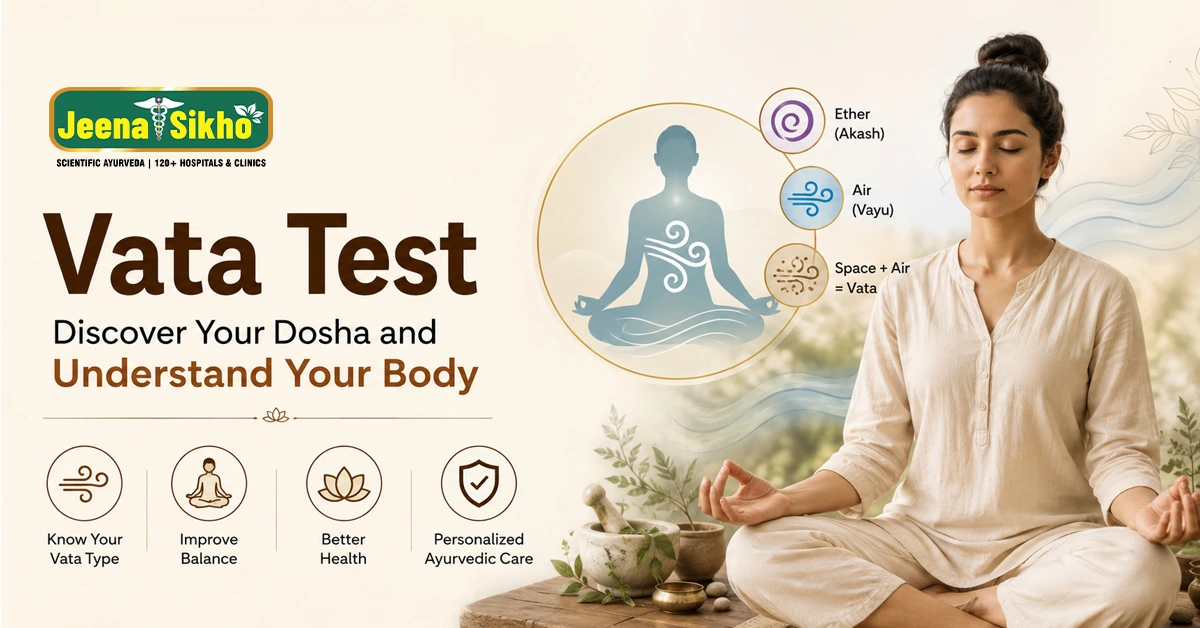
Ayurveda looks at every person in a slightly different way. It does not believe that the same food, routine or lifestyle is suitable for everyone. One of the basic ideas in Ayurveda is Prakriti, which means the natural constitution of a person.
It is understood through the balance of three doshas called Vata, Pitta and Kapha. Among these, Vata is connected with movement and many functions of the body.
A vata test can help a person understand whether Vata features are more noticeable in their natural constitution. It usually looks at things such as body structure, appetite, sleep, skin, hair, bowel habits, activity level and mental nature.
Research on Prakriti assessment has also used several physical, physiological and behavioural features to understand these constitutional patterns.
Knowing your constitution can be useful when you are trying to understand your body better. It may also help you understand which daily habits suit you and which ones may not.
What Is Vata According to Ayurveda?
In Ayurveda, Vata dosha is associated mainly with the qualities of air and space. It is linked with movement in the body, including physical activity, nerve-related functions, and elimination.
Vata is described as light, dry, cold and mobile. These qualities are used in Ayurveda to understand certain physical and behavioural patterns. A person with more Vata characteristics may naturally be active, quick in movement and changeable in habits.
However, having Vata features does not mean that something is wrong with the person.
Everyone has all three doshas. The difference lies in their proportion. Ayurveda describes seven broad constitutional patterns based on different combinations of Vata, Pitta and Kapha.
What Does a Vata Test Check?
A vata test is generally based on questions about your usual body and lifestyle patterns. It is not simply about how you feel on one particular day. Your natural constitution is understood from traits that remain fairly consistent over time.
A proper assessment may consider:
- Body shape and physical build
- Skin and hair type
- Appetite and digestion pattern
- Bowel habits
- Sleep pattern
- Sensitivity towards cold
- Energy and activity level
- Speech and movements
- Emotional and mental tendencies
- Usual food preferences
Research studies on Prakriti have used similar features for constitutional assessment. One study described Vata-dominant individuals as generally having a thinner body frame, dry skin and hair, an irregular appetite and greater sensitivity to cold.
Common Features of a Vata Body Type
People with a Vata body type may show a combination of certain physical and behavioural features. These are traditional Ayurvedic observations that can help you understand your body and choose suitable food and lifestyle habits.
Some commonly described features include:
- A thin or narrow body frame
- Difficulty gaining weight
- Dry or rough skin
- Dry or thin hair
- Quick movements
- Variable appetite
- A tendency towards irregular bowel habits
- Feeling uncomfortable in cold weather
- Light or disturbed sleep
- A quick and active mind
It is important to remember that not every person with these features will have a Vata-dominant constitution. This is why looking at several traits together is more useful than judging yourself from one or two signs.
How Vata Constitution Affects Daily Habits
Your Vata constitution is considered your natural body pattern in Ayurveda. It is different from a temporary condition in which Vata qualities may increase because of changes in food, sleep, stress, weather, or daily routine.
This difference is important. A person may naturally have many Vata qualities, while another person may have a different constitution but experience a period of increased Vata characteristics.
Ayurveda traditionally gives importance to regular habits for maintaining balance. A fixed meal time, adequate rest, warm freshly prepared food, and a calm daily routine are often considered helpful for people who notice many Vata qualities.
What Can Lead to Vata Imbalance?
According to Ayurvedic thinking, a Vata imbalance may be associated with habits and surroundings that increase qualities such as dryness, coldness, and irregularity.
Some commonly discussed factors are:
- Skipping meals regularly
- Eating at very different times each day
- Excessive fasting
- Too much travel or physical activity
- Staying awake late at night
- Exposure to cold and dry weather
- Eating too many dry or very light foods
- An irregular daily routine
- Excessive mental activity
These factors do not automatically mean that a person has a health problem. They are simply considered while looking at the overall Ayurvedic picture.
How Can a Vata Test Help You?
It can help you understand the natural body pattern and daily habits. It may help you notice changes in your appetite, sleep, energy and routine.
An Ayurvedic dosha test can also compare Vata with the Pitta and Kapha traits. Since many people have a combination of doshas, a proper Ayurvedic assessment can give a clearer understanding of your constitution.
When Should You Take a Vata Test?
There is no particular age at which a person must take a vata analysis. It can be used when someone wants to understand their Ayurvedic constitution and learn more about their usual body patterns.
However, if you have ongoing or concerning symptoms, a questionnaire should not be used to identify the cause by yourself.
An experienced Ayurvedic practitioner can look at your complete history, constitution, current condition, food habits, and lifestyle before suggesting suitable Ayurvedic guidance.
Conclusion
A Vata test can be a simple way to understand the Vata features of your natural constitution. Ayurveda considers every person different, so knowing your Prakriti may help you choose suitable food and lifestyle habits.
To know your body type better, you can explore Healing with Acharya Manish ji for Prakriti Parikshan and learn about suitable Ayurvedic lifestyle habits.

FAQs
Q1. What is a Vata test?
A Vata test is an Ayurvedic assessment that helps you understand the Vata features in your natural body constitution.
Q2. How does a Vata test work?
It usually asks about your body structure, appetite, sleep, skin, hair, habits and daily routine.
Q3. What does Vata mean in Ayurveda?
Vata is one of the three doshas in Ayurveda and is mainly associated with movement and activity in the body.
Q4. What foods are generally suitable for Vata?
Ayurveda generally prefers warm, freshly prepared and nourishing foods for people with strong Vata qualities.
Q5. What is Vata imbalance?
Vata imbalance refers to a state in which Vata qualities are considered excessive compared with the body’s natural balance.
Disclaimer: The information provided on this blog is for general educational and informational purposes only. It is not intended to replace professional medical advice, diagnosis, or treatment. Always consult a qualified healthcare professional before making any changes to your diet, lifestyle, or treatment plan. Individual results may vary.